
Peru Seed Balls (Pack of 20)

Regular price
Rs. 160.00
Regular price
Rs. 200.00
Sale price
Rs. 160.00
Tax included. Shipping calculated at checkout.

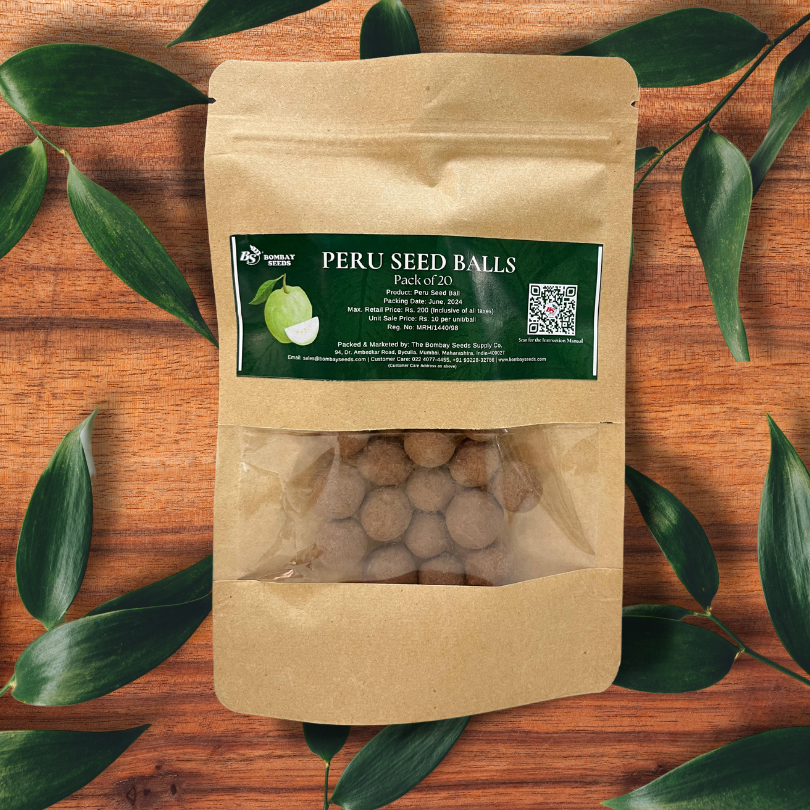
Grow Your Own Peru Plant, Naturally. Make gardening simpler with Peru Seed Balls (Pack of 20). Each seed ball contains a seed protected within a nutrient-rich soil and compost coating. Just place them on prepared soil, provide moisture and sunlight, and let nature take over.

  • Hurry, only 3 items left in stock!
About Product
A Simple Way to Start Growing Peru at Home

Peru Seed Balls make growing a Peru (Persea americana) plant easier for home gardeners. The seed is enclosed in a natural soil-and-compost ball that helps protect it while it begins its growth journey.

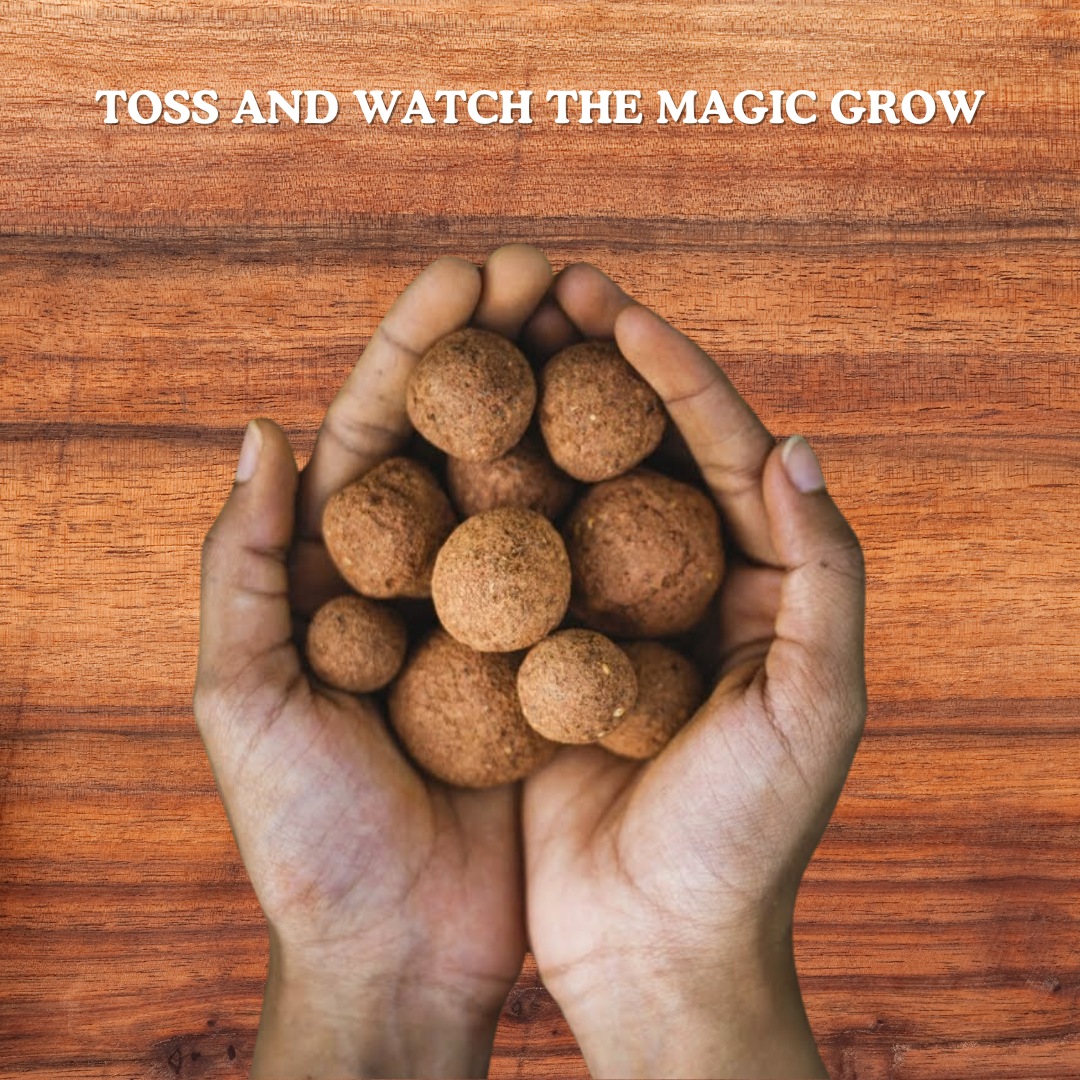
Instead of handling tiny seeds individually, simply place or scatter the seed balls over suitable soil, keep them moist, and provide adequate sunlight. As the seed ball breaks down, the seed gets access to the moisture and growing medium it needs to germinate.

With 20 seed balls in one pack, they're a fun option for experimenting with multiple planting spots, starting a home garden, or introducing beginners to seed-ball gardening.
Key Benefits

🌱 Home gardeners
πŸͺ΄ Garden & terrace growing
🌿 Beginners trying seed balls
🌳 Fruit-tree growing projects
🏑 Kitchen gardens & outdoor spaces
🎁 Gardening enthusiasts

How to Use?

1. Choose the Spot
Select a warm, sunny location with well-drained soil.

2. Place the Seed Balls
Place or gently scatter the seed balls over the prepared soil. Avoid burying them too deeply.

3. Add Moisture
Water gently to keep the seed balls and surrounding soil consistently moist, without creating waterlogged conditions.

4. Let Nature Work
With suitable moisture and warmth, the outer ball gradually breaks down and the seed can begin to germinate.

5. Care for the Seedling
Once the seedling appears, continue regular watering and provide plenty of sunlight. As it develops, give the plant enough space for its roots and canopy to grow.

Growing Requirements

β˜€οΈ Sunlight
Full sun to partial shade; good sunlight supports healthy growth

🌱 Soil
Rich, loose and well-draining soil

πŸ’§ Water
Keep soil evenly moist, but never waterlogged

🌑️ Climate
Warm tropical to subtropical conditions

πŸͺ΄ Space
Provide increasing root and growing space as the plant develops

pH
Around 5–7 is suitable for avocado growing

How to Harvest?

Growing Peru from seed requires patience. 🌱

Seed-grown avocado plants can take several years before they begin producing fruit, and the timing can vary considerably with climate and growing conditions. Seed-grown plants also do not necessarily produce fruit identical to the parent fruit.

When your tree eventually produces fruit, harvest mature but firm fruits rather than waiting for them to become soft on the tree. Avocados generally soften after they are picked.

Tip: If your main goal is faster and more predictable fruit production, grafted avocado plants are generally preferred over seed-grown plants.

Peru Seed Balls (Pack of 20)

Can I grow Peru Seed Balls in a pot?

Yes. You can start the seed balls in a suitable container with well-draining growing medium. As the plant develops, move it to a larger container or an appropriate outdoor growing space.

Do I need to bury the seed balls?

No deep planting is necessary. Place them on prepared soil and keep the surrounding area adequately moist. The seed ball is designed to gradually break down as it receives moisture.

How often should I water the seed balls?

Water gently whenever the growing medium begins to dry. The goal is to maintain moisture without allowing water to stand around the seed balls.

How long does it take to get fruit?

There is no fixed harvest timeline for seed-grown plants. Avocado seedlings commonly take several years to reach fruiting age, depending on genetics and growing conditions.

Can Peru plants tolerate waterlogged soil?

No. Good drainage is extremely important because avocado roots are sensitive to prolonged waterlogging and root-rot problems.