
Thyme Seeds
- Regular price
-
Rs. 90.00 - Regular price
-
Rs. 155.00 - Sale price
-
Rs. 90.00
Tax included.
Shipping calculated at checkout.
Couldn't load pickup availability
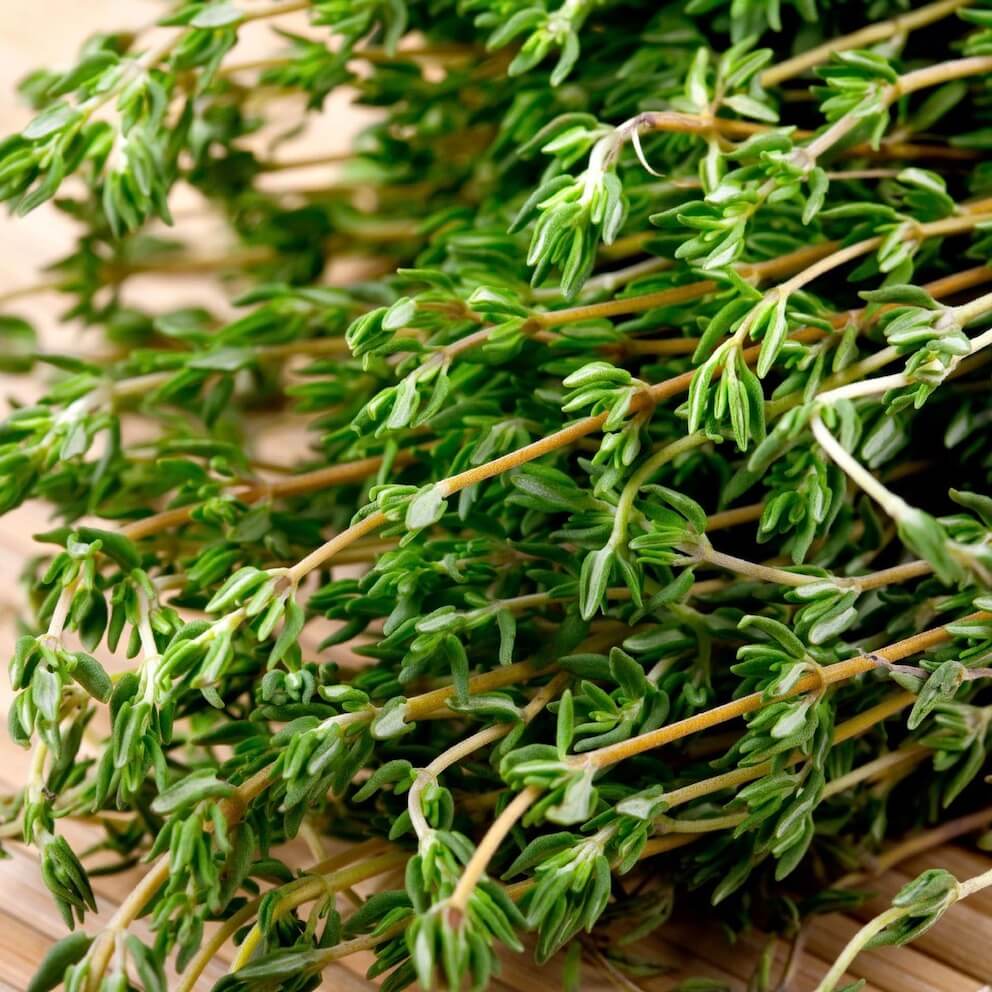
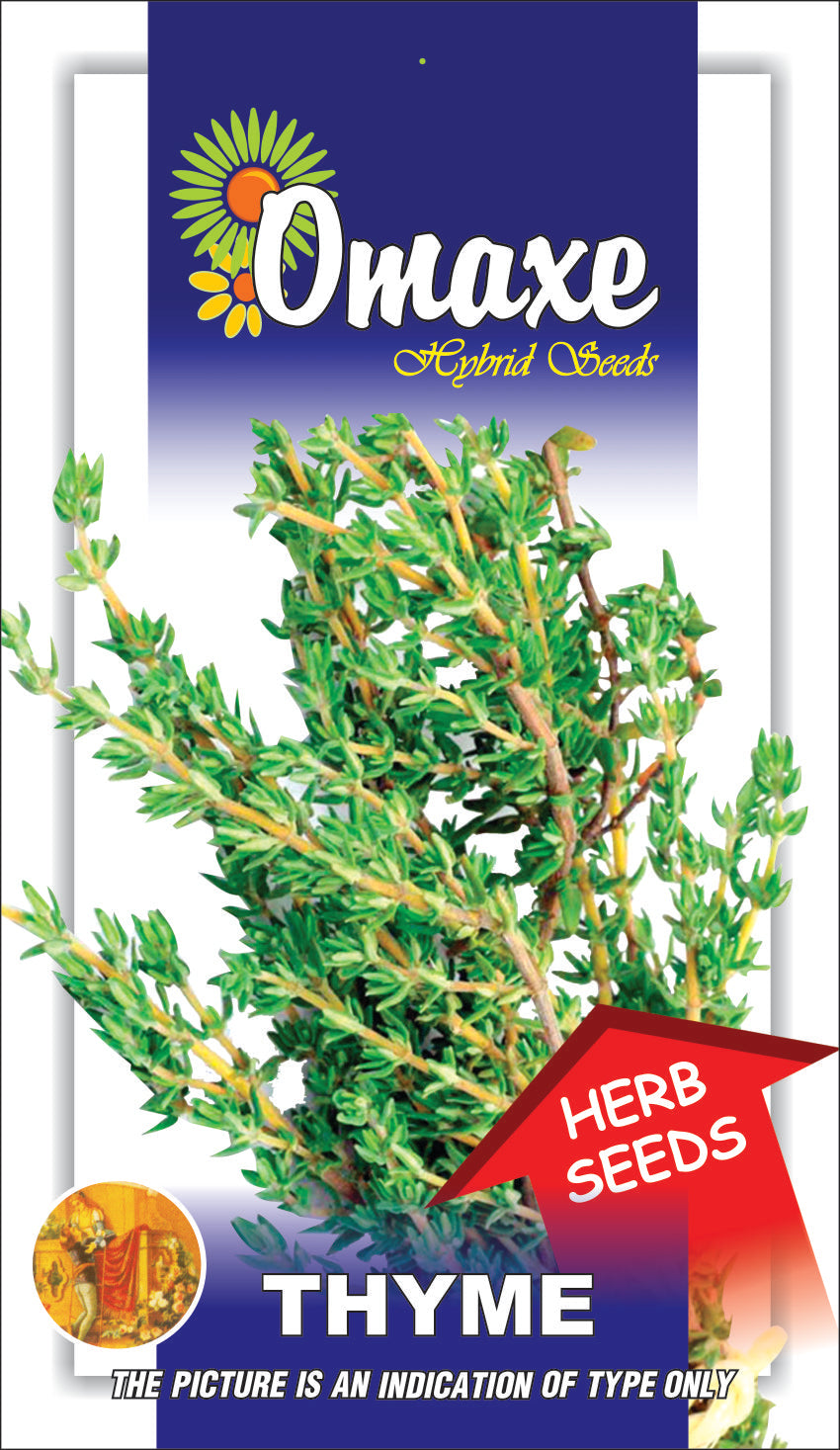
Bring fresh Mediterranean flavour straight to your kitchen with Thyme Seeds. This aromatic perennial herb produces tiny, fragrant leaves that enhance soups, roasted vegetables, pizzas, pasta, marinades and herbal teas. Easy to grow in pots, balconies or home gardens, thyme is a low-maintenance herb that rewards you with fresh harvests throughout the season. Ready to enjoy in approximately 70–90 days under suitable growing conditions.
About Product
Fresh herbs make every meal more memorable, and thyme is one of the easiest ways to start growing your own kitchen garden.
Thyme Seeds are carefully selected for reliable germination and healthy plant growth. Once established, thyme develops into a compact evergreen herb with intensely aromatic leaves that can be harvested again and again. Whether you're growing on a sunny balcony, terrace, windowsill or backyard garden, thyme thrives with minimal care and rewards you with flavourful leaves throughout the season.
Perfect for home gardeners, cooking enthusiasts and anyone who enjoys growing fresh herbs naturally.
Key Benefits
How to Use?
Growing Requirements
How to Harvest?