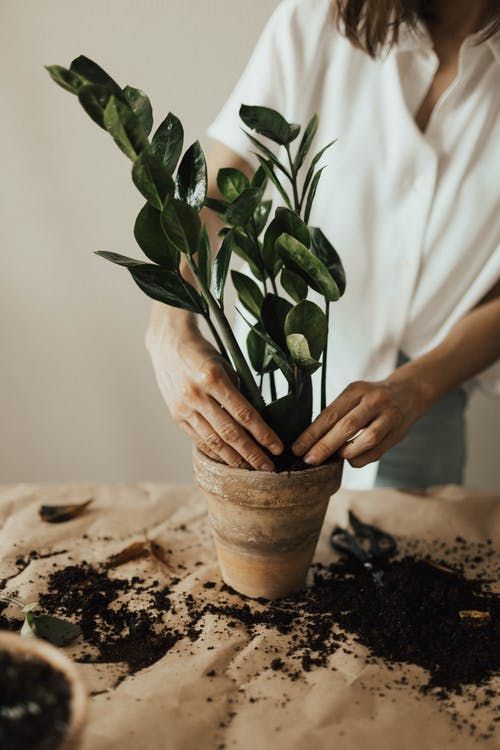


Growing your own vegetables is a rewarding way to enjoy fresh food, make the most of your outdoor space and learn a little more about nature. Whether you have a sunny balcony, a terrace or a backyard, you can start a vegetable garden with a few containers, healthy seeds and regular care.
Vegetable plants have different growing habits. In this guide, we’ll explore three useful groups: leafy vegetables, creeping and climbing vegetables, and upright or bush vegetables, such as tomatoes, brinjal and chillies.
Start with the Right Growing Conditions
Before choosing your vegetables, take a look at your space. How much sunlight does it receive? Is there room for large pots or a trellis? Can excess water drain away easily?
Most fruiting vegetables grow best with six to eight hours of direct sunlight each day. Many leafy vegetables can grow with four to six hours, and some benefit from afternoon shade during very hot weather.
Use loose, well-draining soil enriched with mature compost. For containers, choose a potting mix that holds some moisture without becoming waterlogged. Every pot should have drainage holes.
India’s growing conditions vary widely by region, so use your local climate and seed-packet instructions to choose sowing dates rather than relying on a single nationwide calendar.

1. Growing Leafy Vegetables
Leafy vegetables are a great starting point for beginners. Many grow quickly, need relatively little space and allow you to harvest small amounts regularly.
What Can You Grow?
Popular choices include spinach or palak, amaranth or chaulai, fenugreek or methi, lettuce and mustard.
Palak, methi, lettuce and mustard greens generally prefer milder weather. Amaranth is better suited to warm conditions, making it a useful option when temperatures rise.
Containers and Sowing
For many leafy vegetables, containers around 15–20 cm deep are a practical starting point. Wider containers give you more room to sow short rows.
Sow seeds at the depth recommended on the packet. Avoid sowing too densely: crowded seedlings compete for light, water and nutrients. Once they emerge, thin them to the recommended spacing.

Watering and Feeding
Keep the soil evenly moist during germination. Water gently so that small seeds are not washed away.
After the plants establish, water when the surface begins to dry. Compost provides a useful nutrient base; if you add fertiliser, follow its label and avoid overfeeding.
Harvesting
Harvest tender leaves with clean scissors. For varieties that support repeated picking, take the outer leaves and leave the growing centre intact. Others, such as methi grown for young greens, can be cut as a small crop.
For a steady supply, sow another small batch every two to three weeks during suitable weather.

2. Growing Creeping and Climbing Vegetables
Creeping vegetables produce vines that spread across the ground or climb with support. This group includes cucumber, bottle gourd, bitter gourd, ridge gourd, pumpkin and other squashes.
These plants need more space than leafy greens, but a sturdy trellis can help you grow suitable varieties vertically.
Containers and Space
Choose large containers with ample root space. Around 30–50 litres can be a useful starting range for many container-grown gourds and cucumbers, while vigorous pumpkins may need considerably more space. Compact varieties are usually easier to manage in terrace gardens.
Install a trellis before the vines become long. Make sure it can withstand wind and support the mature plant. Heavy fruits may need individual slings.
Sowing and Care
Many of these vegetables grow well when sown directly into their final container or bed once conditions are warm enough. Follow the seed packet for sowing depth and spacing.
Give them plenty of sunlight and water consistently, especially during flowering and fruit development. Direct water towards the soil rather than routinely wetting the leaves.
Flowering and Pollination
Many gourds and squashes produce separate male and female flowers. Female flowers have a small developing fruit behind the blossom.
Pollinating insects help fruit set, so avoid spraying insecticides on open flowers. If flowers appear but fruits repeatedly fail to develop, poor pollination may be one possible cause, alongside heat, water stress or other growing conditions.
Harvesting
Pick cucumbers, bitter gourds, bottle gourds and ridge gourds while they are tender, at the stage recommended for the variety. Pumpkins intended for storage are generally left to mature fully.
Regular harvesting helps you avoid oversized, tough fruits and makes it easier to spot problems early.

3. Growing Upright and Bush Vegetables
This group includes familiar garden favourites such as tomatoes, brinjal, chillies and ladyfinger/okra. Their care needs differ, but all benefit from good light, suitable spacing and steady attention.
Starting Your Plants
Tomatoes, brinjal and chillies are commonly started in seed trays and transplanted once sturdy. Gradually introduce seedlings to outdoor sunlight and wind before moving them permanently.
Okra is usually sown directly into its final growing spot.
Choose containers suited to the mature variety. Compact chillies can manage in smaller pots than vigorous tomatoes or brinjal; larger pots generally make moisture and nutrient management easier.
Supporting and Feeding
Stake tomatoes and any other plants that become top-heavy. Add supports early to reduce disturbance around established roots.
Feed according to the product label and the plant’s growth stage. Too much nitrogen can encourage leafy growth at the expense of flowers and fruit.
Harvesting
Pick tomatoes at the desired ripeness, brinjal while the skin is glossy and the fruit is still tender, and okra frequently while the pods are young. Chillies can be harvested green or allowed to ripen, depending on the variety and your preference.
Keep Your Vegetable Garden Healthy
Check plants regularly, including the undersides of leaves. Catching aphids, caterpillars or disease symptoms early makes them easier to manage.
Remove damaged plant material, keep tools clean and allow enough space for air circulation. Avoid treating every insect as a pest: some are pollinators or beneficial predators.
If a treatment is necessary, use one labelled for the crop and pest, and follow all instructions, including the waiting period before harvest.
Start Small and Grow with Confidence
For your first vegetable garden, try one container of methi or palak, one chilli plant and one cucumber vine if you have space for support. This gives you experience with different growing habits without making the garden difficult to maintain.
The secret is not perfect gardening. It is choosing vegetables suited to your season, observing your plants and building a simple routine. With a little patience, even a small space can provide fresh leaves, tender vegetables and the pleasure of harvesting something you grew yourself.